In a previous piece, titled “How Coyotes Unintentionally Helped Bring Trump Back to Power,” I argued that the return of Donald Trump can’t be explained solely by domestic factors in the United States, but also by immigration and the perception of chaos at the border. The issue now is asylum.
The rise in asylum applications didn’t emerge in a vacuum. It’s, to a large extent, the indirect result of human smuggling networks operating across the hemisphere.
These networks—the so-called coyotes—not only facilitate the journey north but also shape migrants’ expectations. They promise access to the U.S. system, often presenting asylum as an almost automatic pathway to entry and stay.
That message has real consequences. Many people flee genuine crises, but others seek better economic conditions and begin the journey believing that once they reach the border, they will be able to apply and remain in the country while their case is processed.
The asylum system, originally designed to protect those facing persecution, now absorbs pressure that goes far beyond its original purpose.
The Biden administration tried to channel that flow through legal mechanisms, such as humanitarian parole for Cuba, Venezuela, Nicaragua, and Haiti via the CBP One application. The goal was to create an orderly process and reduce irregular crossings.
However, reality exposed the system’s limits. Fraud among sponsors in 2024 undermined the program’s credibility, as demand exceeded the government’s ability to properly vet cases.
At the same time, images of mass crossings and the strain on cities such as New York, Chicago, Philadelphia, and Boston reinforced the public perception that the system was out of control.
But we can’t understand this matter without accounting for coyotes’ role. They organized large group movements, coordinated arrivals, and reinforced the idea that reaching the border meant entering the system.
Unfortunately, many people who entered under humanitarian parole didn’t understand that immigration law didn’t define their arrival as a formal “admission” into the country.
Humanitarian parole is a temporary, conditional entry that allows migrants to adjust their status later and be legally admitted to the country. Coyotes sold the idea that arrival meant staying, and many ultimately faced deportation.
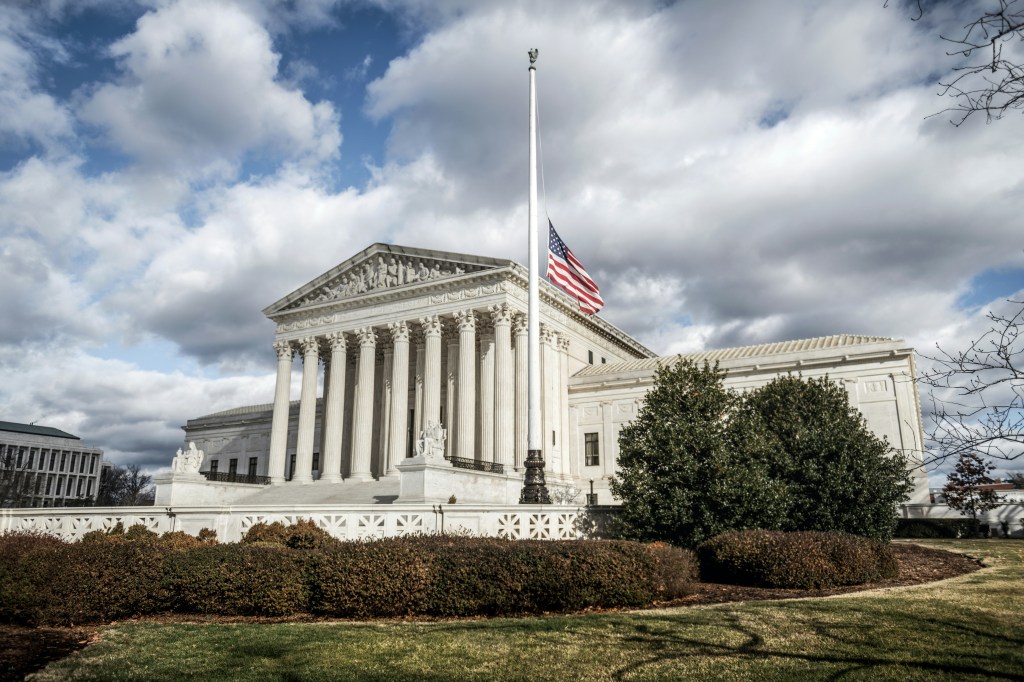
The asylum case currently before the Supreme Court—Noem v. Al Otro Lado—raises the critical question of whether the government can prevent asylum seekers from even reaching a port of entry. In other words, it can block access to the system before the migrant petitions for asylum.
If the Supreme Court validates that interpretation, it would give the government broad authority to reject cases before the right to be heard even takes effect.
That would disrupt the coyote business model, but it would also exclude those who attempt to follow an orderly process, while those who manage to cross irregularly might still gain access to the system.
Ultimately, the rise in asylum applications can’t be explained solely by individual migrant decisions or by government policy failures. It reflects an ecosystem shaped by smuggling networks, migrant expectations, and the limits of the immigration system’s capacity.
The current tightening of the system—both politically and legally—is a reaction to that accumulated pressure. But it also rewrites the rules because the question is no longer just who has the right to seek asylum, but who can even reach the point where that right begins.
Trump isn’t fixing the immigration system; he’s restricting access to it—and setting up the next crisis.
 Internal Frontiers
Leave a comment